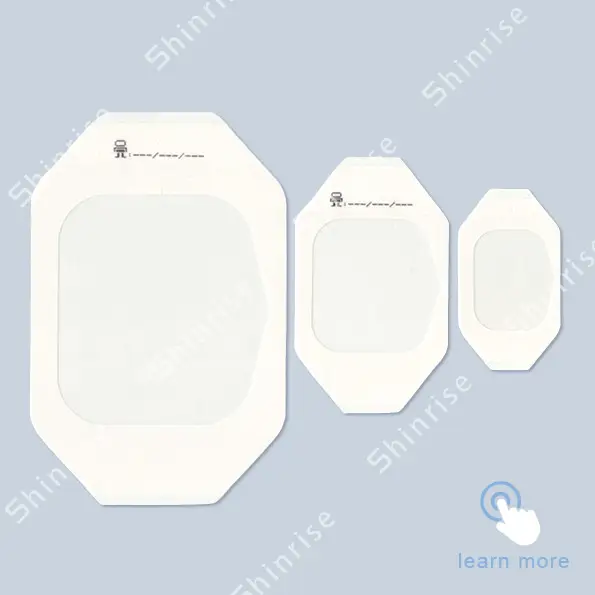


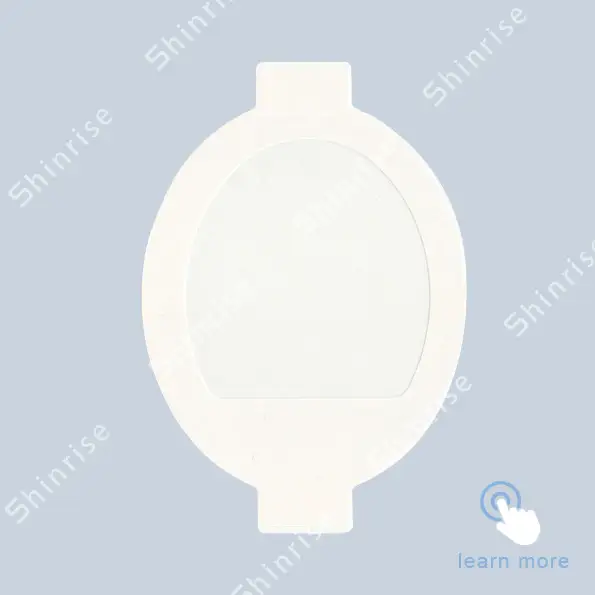
Transparent Film Dressing T021012Q
Use for Emergency I.V. Therapy, Cardiovascular, Radiology, Oncology, Intensive Care Unit, Urgent Care, Wound Care, Operating Room-Surgery, Dialysis Center, Medical-Surgical
OEM:Available
Sample:Available
Port:Qingdao or any port
Payment:PayPal,VISA,Western Union,L/C,T/T,Other,D/A
Place of Origin:China
Shipping:Sea freight · Land freight · Air freight
Supply Ability:14000 slice per Day
Product name :Transparent Dressing
Material :PU film
PU: thickness 0.02-0.025mm
Adhesive :Medical acrylic
Usage :Hospital Medical
Feature: Visual and waterproof
Shelf Life: 3 years
HS code: 3005109000
Shinrise Transparent Dressings are typically used on lacerations, abrasions, skin tears and other superficial wounds. They can also be used to cover sutured wounds, graft sites and partial thickness wounds. They may also be used where there are areas of friction to decrease shearing forces between the dressing and the support surface. Because they are waterproof, they may be used to cover wounds and intravenous catheter sites to allow bathing; they may be also be used to cover wounds for ultrasound treatment.
Main structural composition
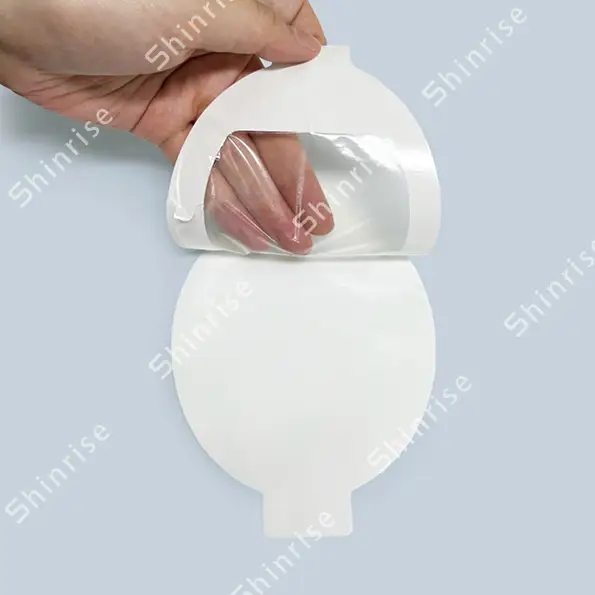
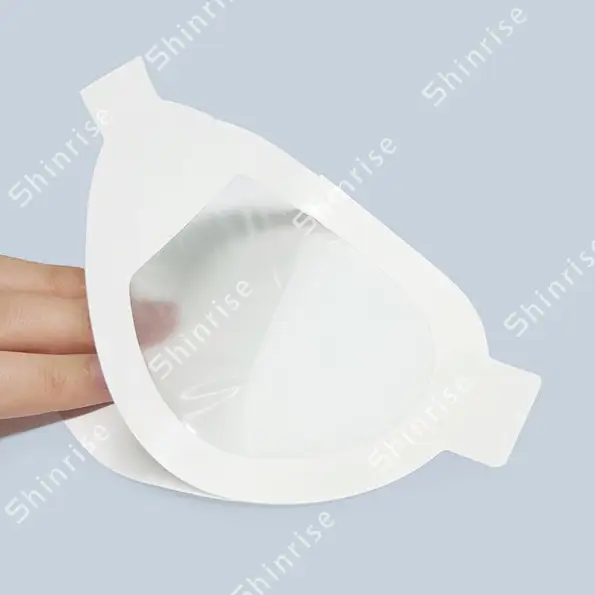
The transparent dressing of our company is made of polyurethane film coated with pressure sensitive adhesive, and then composed of more layers: the adhesion layer (glassine release paper),the release layer (glassine release paper).
Purpose:
For fixing indwelling needle, central venous catheter, etc.
Benefits:
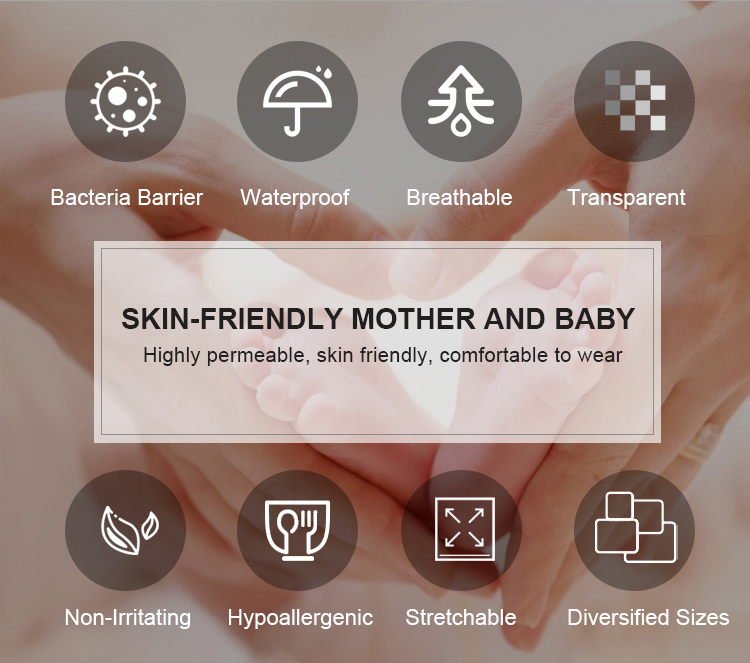
Product specification:
Product No. | Size | Packing |
T021012Q | 10cmx12cm | 1pcs/pouch,50pcs/box,1000pcs/ctn |
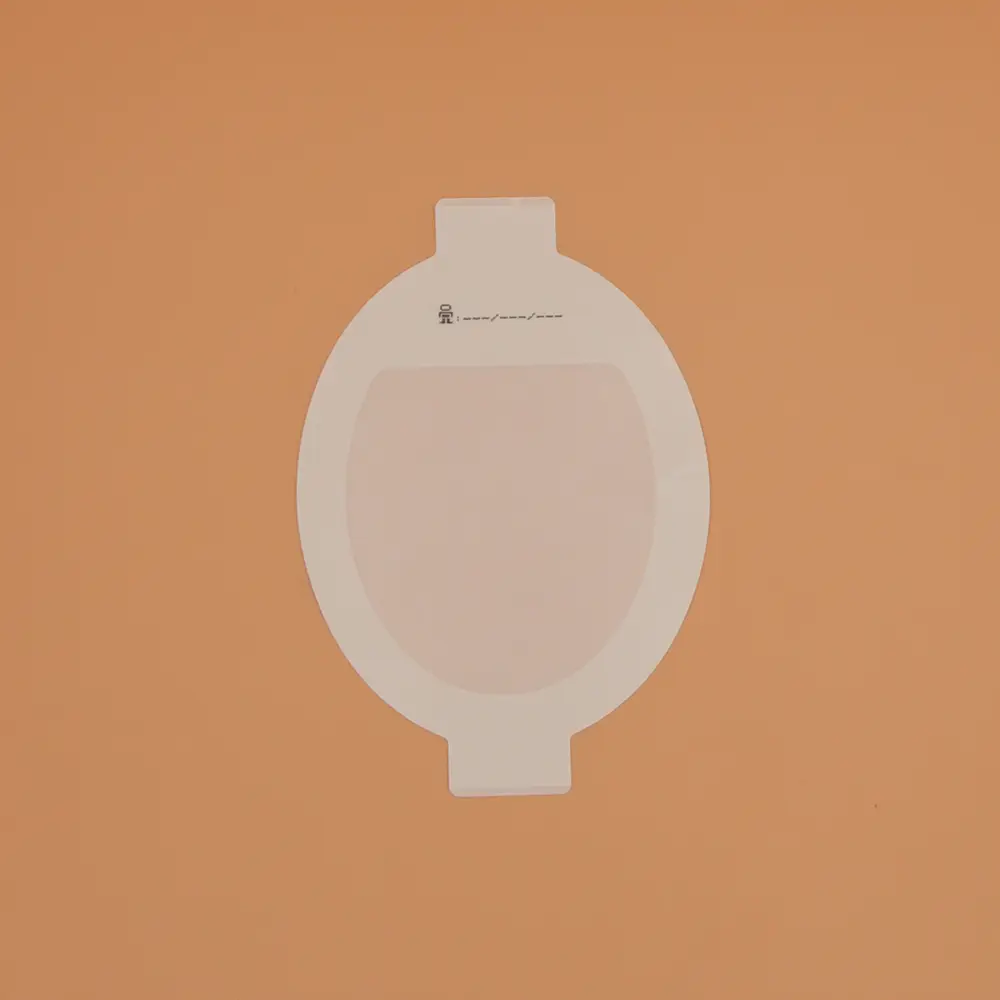
Product instructions:
1. After cleaning and disinfecting the surgical site, take out the transparent wound dressing from the packaging bag.
2. Remove the release paper from one side of the slit to expose the adhesive surface.
3. Align the center of the dressing with the wound or catheter.
4. Stick the adhesive surface on the skin and smooth it from the middle to all around to make it closely combined with the skin.
5. Remove the backing protective layer.
6.When removing the dressing, first uncover the corners of the dressing and then gently remove it from the wound.